What is Health?
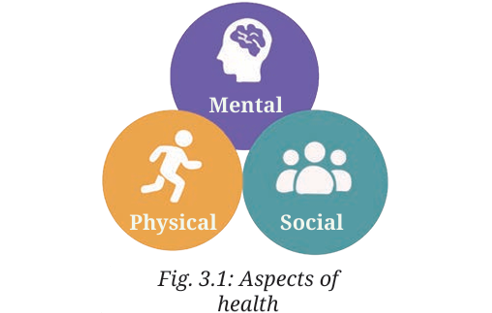
Three Aspects of Health
Ayurvedic Perspective on Health
Ayurveda teaches that true health is a balance of body, mind, and surroundings. Key principles include:
- Following dinacharya (daily routine) and ritucharya (seasonal routine)
- Eating fresh, wholesome food suited to one's prakriti (body constitution)
- Regular exercise, cleanliness, restful sleep, and maintaining a calm mind
- Practices like yoga, meditation, and mindfulness for overall well-being
How to Stay Healthy?
Staying healthy requires a combination of good habits, proper lifestyle choices, and maintaining a clean environment. Health depends on both our personal choices and our surroundings.
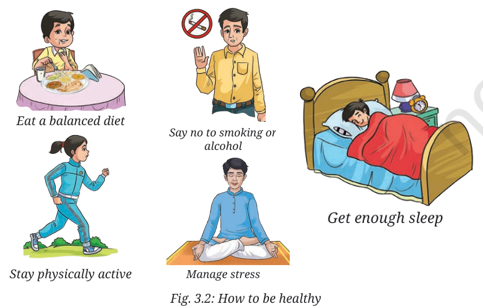
Essential Good Health Habits
Habits to Avoid for Good Health
Importance of Clean Environment
Our surroundings play a crucial role in our health. A clean environment helps prevent diseases and promotes well-being:
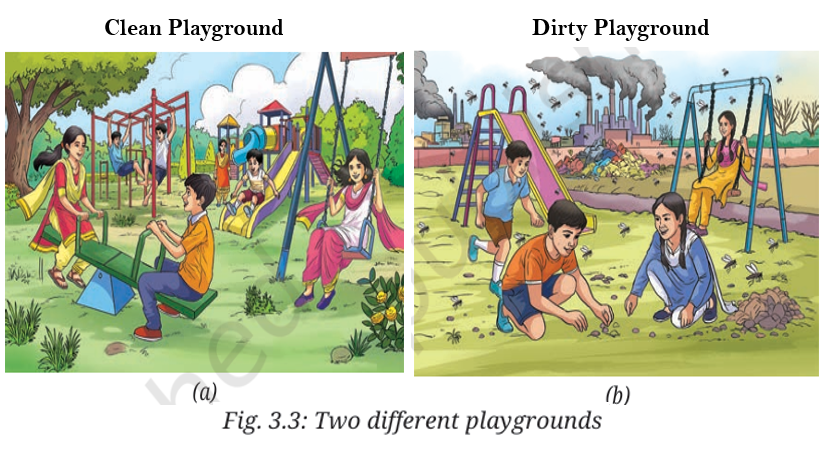
Environmental Health Factors
Understanding Diseases
How do we know that we are unwell? - Symptoms and Signs
Symptoms
What we feel internally - subjective experiences that only the person can describe
Examples: Pain, tiredness, dizziness, nausea, headache
Signs
What can be seen or measured - objective indicators that others can observe
Examples: Fever, rash, swelling, high blood pressure, fast heartbeat
Diseases can be caused by various factors including harmful microorganisms, poor lifestyle choices, environmental factors, or nutritional deficiencies. Understanding different types of diseases helps us prevent and manage them effectively.
Two Major Categories of Diseases
Infectious Diseases
Cause: Harmful microorganisms called pathogens (bacteria, viruses, fungi, worms, protozoa)
Transmission: Spread from one person to another through various means
Examples: COVID-19, influenza, tuberculosis, typhoid, dengue, malaria, chickenpox
Prevention: Hygiene, vaccination, isolation, vector control
Lifestyle-Related Diseases
Cause: Not caused by pathogens; linked to lifestyle, diet, genetics, and environment
Transmission: Do not spread from person to person
Examples: Diabetes, heart disease, cancer, asthma, obesity, hypertension
Prevention: Healthy lifestyle, regular exercise, balanced diet
Important Trend in India
Non-communicable diseases (NCDs) have become the leading cause of death in India. This shift is due to:
- Changes in lifestyle - more sedentary behavior
- Dietary changes - increased processed food consumption
- Urbanization and stress
- Longer life expectancy leading to age-related diseases
Communicable Diseases in Detail
Communicable diseases are illnesses caused by harmful microorganisms(pathogens) that can pass from one person to another. By understanding the ways they spread, we can take effective steps to protect ourselves and prevent their transmission.
How Communicable Diseases Spread
🌬️ Airborne Transmission
Method: Through droplets when infected person coughs, sneezes, or talks
Examples: Common cold, influenza, tuberculosis (TB), chickenpox, measles
Prevention: Cover mouth when coughing, wear masks, maintain distance
💧 Water/Food-borne
Method: Through contaminated water, food, or poor sanitation
Examples: Cholera, typhoid, hepatitis A, ascariasis (worms)
Prevention: Drink boiled water, eat properly cooked food, maintain hygiene
🦟 Vector-borne
Method: Through insects like mosquitoes, flies that carry pathogens
Examples: Malaria (mosquitoes), dengue fever (Aedes mosquitoes)
Prevention: Use mosquito nets, repellents, eliminate breeding sites
🤝 Direct/Indirect Contact
Method: Through touching infected person or sharing contaminated items
Examples: Skin infections, some viral diseases
Prevention: Wash hands frequently, don't share personal items
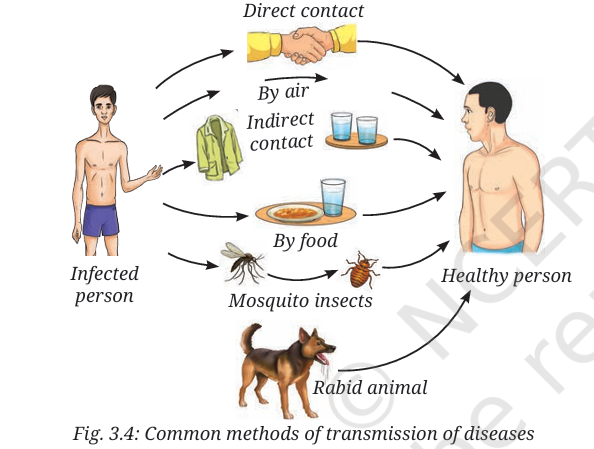
Common Communicable Diseases
Prevention of Communicable Diseases
Essential Prevention Methods
Non-communicable Diseases (NCDs)
Non-communicable diseases are not caused by pathogens but are linked to lifestyle, genetics, and environmental factors. They have become the leading cause of death in India.
Common NCDs
Diabetes
Symptoms: Frequent urination, excessive thirst, weight loss, tiredness, slow healing
Causes: Hormonal imbalance, poor diet, lack of exercise, obesity
Prevention: Balanced diet, regular exercise, maintain healthy weight
Heart Disease
Risk Factors: High cholesterol, high blood pressure, smoking, obesity
Prevention: Regular exercise, healthy diet, no smoking, stress management
Cancer
Risk Factors: Tobacco use, poor diet, pollution, certain viruses
Prevention: Healthy lifestyle, avoiding carcinogens, regular check-ups
Asthma
Triggers: Air pollution, allergens, stress, cold air
Management: Avoiding triggers, proper medication, breathing exercises
Deficiency Diseases
These are also non-communicable diseases caused by lack of specific nutrients:
- Scurvy: Vitamin C deficiency - causes bleeding gums, weakness
- Anemia: Iron deficiency - causes fatigue, pale skin
- Goiter: Iodine deficiency - causes swelling of thyroid gland
Dr. Kamal Ranadive (1917-2001)
Pioneering biomedical researcher who studied how hormones and viruses are linked to cancer. Her work showed how tobacco, diet, and pollution increase cancer risk, highlighting the importance of healthy lifestyle.
Prevention Strategies for NCDs
Lifestyle Modifications
Disease Prevention & Control
Community Health Measures
Community-led initiatives can significantly reduce disease spread:
Case Study: Odisha Sanitation Campaign
In Bhadrak district, Odisha, a community sanitation campaign helped build toilets and reduce open defecation, leading to improved child health with fewer cases of diarrhea and infections.
Community Prevention Strategies
Government Health Initiatives
Fit India Movement
National campaign promoting physical fitness and healthy lifestyle habits across India to combat rising NCDs.
Immunity & Vaccines
Types of Immunity
Natural Immunity
What: Body's inborn defense mechanism
Characteristics: Varies from person to person, present from birth
Example: Some people get sick less frequently than others
Acquired Immunity
What: Protection developed after exposure to pathogens or vaccines
Characteristics: Long-lasting, specific protection
Example: Immunity after vaccination or recovering from disease
Understanding Vaccines
A vaccine is a biological preparation that improves immunity to a particular disease by producing antibodies against the disease causing microbes.
How Vaccines Work
Edward Jenner & Smallpox Vaccine (Late 1700s)
Observation: Jenner noticed that milkmaids who had cowpox didn't get smallpox.
Experiment: He injected cowpox material into a boy, who later showed resistance to smallpox.
Result: This led to the first vaccine and eventually worldwide eradication of smallpox by 1979.
Indian Traditional Method - Variolation
Ancient Indian practice using material from smallpox sores to create mild infection and build immunity. Practitioners were called teekedaars.
India's Role in Global Vaccine Production
India is one of the world's largest vaccine producers, supplying vaccines globally and playing a crucial role during COVID-19 pandemic in providing affordable vaccines worldwide.
Antibiotics & Treatment
Discovery of Penicillin (1928)
Discoverer: Alexander Fleming, a bacteriologist from London
Discovery: He noticed that mould on a petri dish stopped bacteria from growing
Significance: First antibiotic that saved millions of lives worldwide
⚠️ Antibiotic Resistance - Major Health Problem
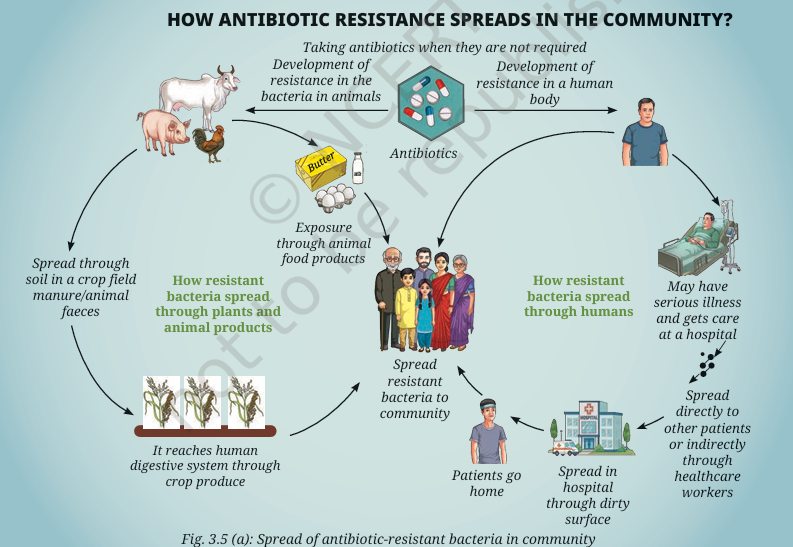
Prevention of Antibiotic Resistance
Traditional Medicine Systems
Indian traditional systems like Ayurveda, Siddha, and Unani use natural substances (herbs, oils, minerals) for:
- Managing common health problems and promoting recovery
- Focusing on healthy lifestyle and balanced diet
- Preventive care and overall well-being
- Note: May not be effective for all diseases and all stages
Treatment Approaches
Communicable Diseases
• Antibiotics for bacterial infections
• Supportive care for viral infections
• Isolation to prevent spread
• Specific treatments for parasites
Non-communicable Diseases
• Lifestyle modifications
• Long-term medication management
• Regular health monitoring
• Rehabilitation programs
Practice Questions
Test your understanding with these practice questions. Click "Show Answer" to reveal the solutions.
Explanation: WHO defines health as having three aspects - physical, mental, and social well-being. Economic health is not part of this definition.
Explanation: Antibiotics work by targeting specific parts of bacterial cells that are different from human cells. They are ineffective against viruses, fungi, or protozoa.
Explanation: Edward Jenner developed the first vaccine for smallpox in the late 1700s by observing that people who had cowpox were protected from smallpox.
Explanation: Non-communicable diseases (like diabetes, cancer, heart disease) do not spread from person to person. They are caused by lifestyle, genetic, and environmental factors.
Explanation: According to health studies, proper handwashing with soap and water can reduce the risk of infection by approximately 50%.
Symptoms: What a person feels internally - subjective experiences only the patient can describe.
Examples: Pain, headache, nausea, dizziness, tiredness
Signs: What can be observed or measured by others - objective indicators.
Examples: Fever (temperature), rash, swelling, high blood pressure, fast heart rate
- Lifestyle changes: More sedentary behavior, less physical activity
- Dietary changes: Increased consumption of processed and fast foods
- Urbanization and stress: Modern lifestyle leading to chronic stress
- Longer life expectancy: People living longer, leading to age-related diseases
How Malaria Spreads:
• Malaria is caused by protozoa (Plasmodium species)
• Transmitted through the bite of infected female Anopheles mosquitoes
• The pathogen enters bloodstream and affects red blood cells
• Causes symptoms like high fever, sweating, and periodic chills
Preventive Measures:
• Use mosquito nets while sleeping
• Apply mosquito repellents on exposed skin
• Wear long-sleeved clothes, especially during evening/night
• Eliminate mosquito breeding sites (remove stagnant water)
• Maintain cleanliness around homes
• Use insecticides and fumigation when necessary
Antibiotic Resistance:
• A phenomenon where bacteria develop the ability to survive and multiply despite treatment with antibiotics
• Bacteria that were previously killed by antibiotics now become resistant to them
Why it's a growing concern:
• Makes common infections harder to treat
• Leads to prolonged illness and complications
• Increases risk of death from previously treatable infections
• Results in higher healthcare costs
Prevention methods:
• Take antibiotics only when prescribed by qualified doctors
• Complete the full course even if feeling better
• Never use antibiotics for viral infections (cold, flu)
• Don't share or save leftover antibiotics
• Avoid unnecessary use of antibiotics in animals/livestock